
One place. One farm, one co-op, one region, or one country - depending on how specific the roaster wants to be.
The point is traceability. You know where the coffee grew, how it was processed, and what it is supposed to taste like. A blend mixes origins to create consistency. A single origin lets the place speak.
What You Taste
An Ethiopian Yirgacheffe - blueberries and jasmine. A Costa Rican from Tarrazú - honey and citrus. A natural-process Brazilian. Dark chocolate and dried fruit. These flavors are not added. They are inherent to the variety, the soil, the altitude, and how the cherry was processed after harvest.
Clay Eiland at Eiland Coffee Roasters sources single origins from Ethiopia, Brazil, Costa Rica, and Panama. He has released micro-lots as small as eighty pounds - scored 90-plus and sold out in days. When a single origin is that specific, you are tasting a place and a season. Next harvest, the same farm might taste different. And that is the whole thing.
Single Origin vs. Blend
A blend is designed to taste the same every time. Roasters mix origins to balance acidity, body, and sweetness into a consistent profile year-round. Liaise Coffees' DISCO blend does this well - reliable, balanced, built for daily drinking.
A single origin is designed to taste like itself. That means it changes with the season. One bag might be brighter than the next. You are drinking something with a story attached. Not a formula.
How to Try It
Order it black or as a cortado. Milk and sugar are fine. But take the first sip without them. Let the coffee say its piece before you add anything.
Ask your barista what single origin is on the bar today. We rotate them. Some weeks it is an Eiland micro-lot. Some weeks a Liaise seasonal. The answer changes. That is the point.
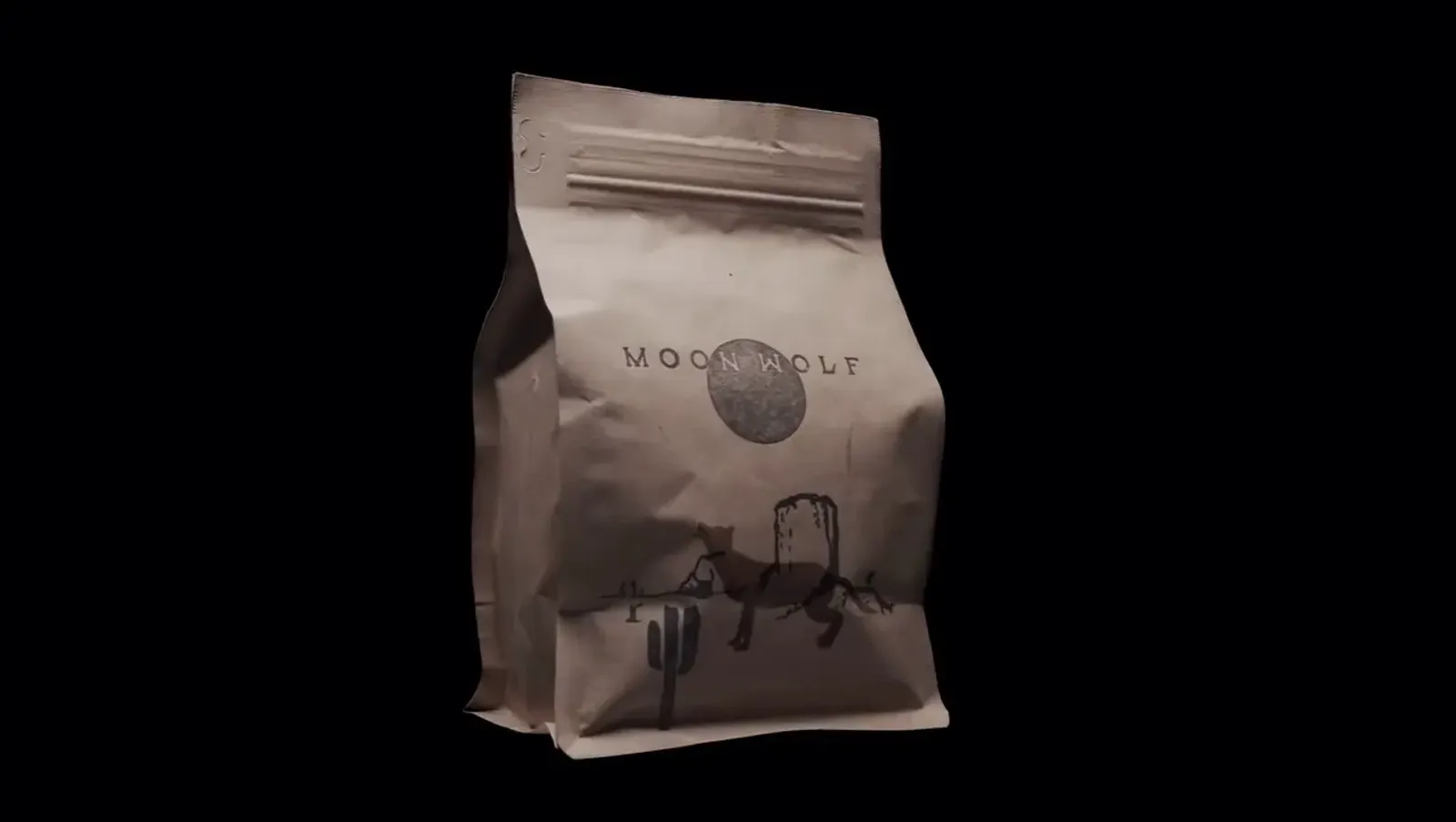
Single origin coffee available by the cup and by the bag at Moon Wolf Provisions. 920 Custer Road, Richardson.
