
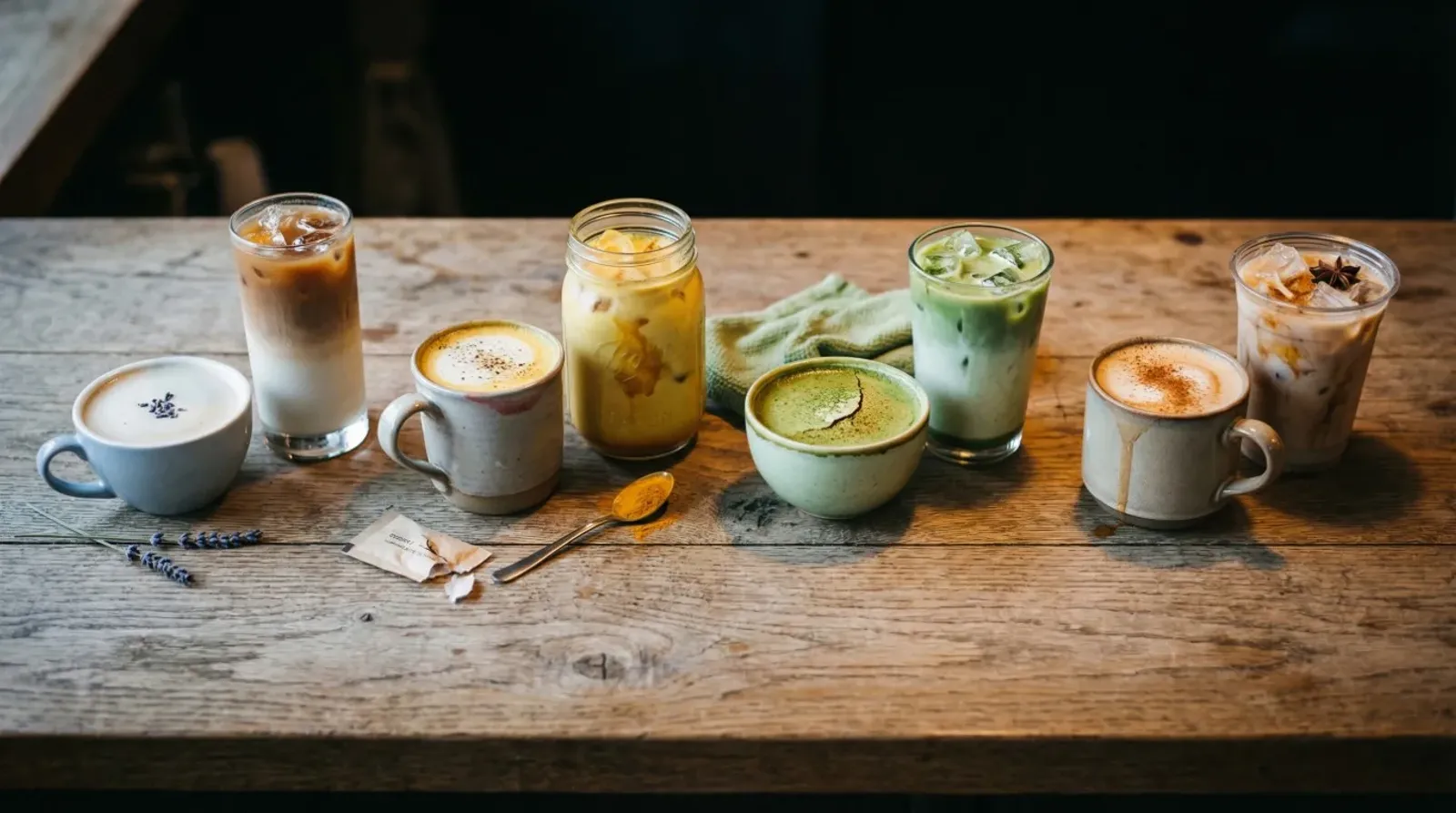
We serve coffee roasted by Clay Eiland, a Q-certified grader who will not buy a bean below 86. Working next to that kind of precision changes how you think about every cup - including the one you make at home. Five questions. Same ones we ask behind the bar.
How old is your coffee?
Not the roast date on the bag. When was it ground?
Pre-ground coffee loses 60% of its aromatic compounds within fifteen minutes of grinding. Clay roasts on a 1969 German Probat because cast iron transfers heat differently than modern steel. It develops sweetness instead of acidity. All of that craft disappears the moment you grind and let it sit on the counter.
A thirty-dollar burr grinder and grinding right before you brew is the single biggest upgrade. You are not buying better beans. You are stopping the ones you have from dying.
What temperature is your water?
We pull shots at 200 degrees. Most people at home pour a rolling boil (212) straight onto the grounds. That twelve-degree gap is the line between extracting sweetness and extracting bitterness.
Let your kettle rest thirty to forty-five seconds off the boil. A gooseneck with a temp readout changes everything. Our roasting partners at Liaise Coffees in Dallas dial their roast profiles around specific extraction temperatures. Same principle at home, smaller scale.
Are you measuring or guessing?
When Clay cups coffee for grading, every variable is controlled. 8.25 grams per 150ml of water, exactly.
You do not need that precision at home. But you need some. Start at 1:16. One gram of coffee to sixteen grams of water. A kitchen scale costs twelve dollars and turns every morning from a coin flip into a repeatable result.
Where are you storing your beans?
Not the fridge. That is the worst place.
Coffee is porous. It absorbs moisture and whatever else is in there. Clay sources micro-lots from Ethiopia, Brazil, Costa Rica, and Panama, some as small as eighty pounds - beans scoring 88, 90, 92 on the grading scale. That kind of quality deserves an airtight container at room temperature, away from light. Buy smaller bags more often.
When did you last clean your gear?
Old coffee oils go rancid. That off taste people blame on the beans is almost always a dirty brewer, a clogged filter basket, or mineral buildup in the water line.
Rinse everything after every use. Backflush your espresso machine weekly. Descale monthly.
We clean our equipment between every shift. Not because we are particular, but because yesterday's coffee should not show up in today's cup.
These questions are not about buying more expensive gear. They are about paying attention to what you already have. If you want to taste what attention looks like at scale, come by the bar. 920 Custer Road, Richardson.
